Relieve Nerve Pressure Without Surgery
A herniated disc can send sharp pain, numbness or tingling into your arms or legs and make sitting, bending and sleeping difficult. At Stephenson Chiropractic Center in Bryan, TX , we use gentle, nonsurgical care to take pressure off irritated nerves. That care can include spinal decompression, chiropractic adjustments and targeted rehabilitation, so you can move comfortably again and lower the risk of the problem coming back.
Request an AppointmentWhat Is a Disc Herniation?
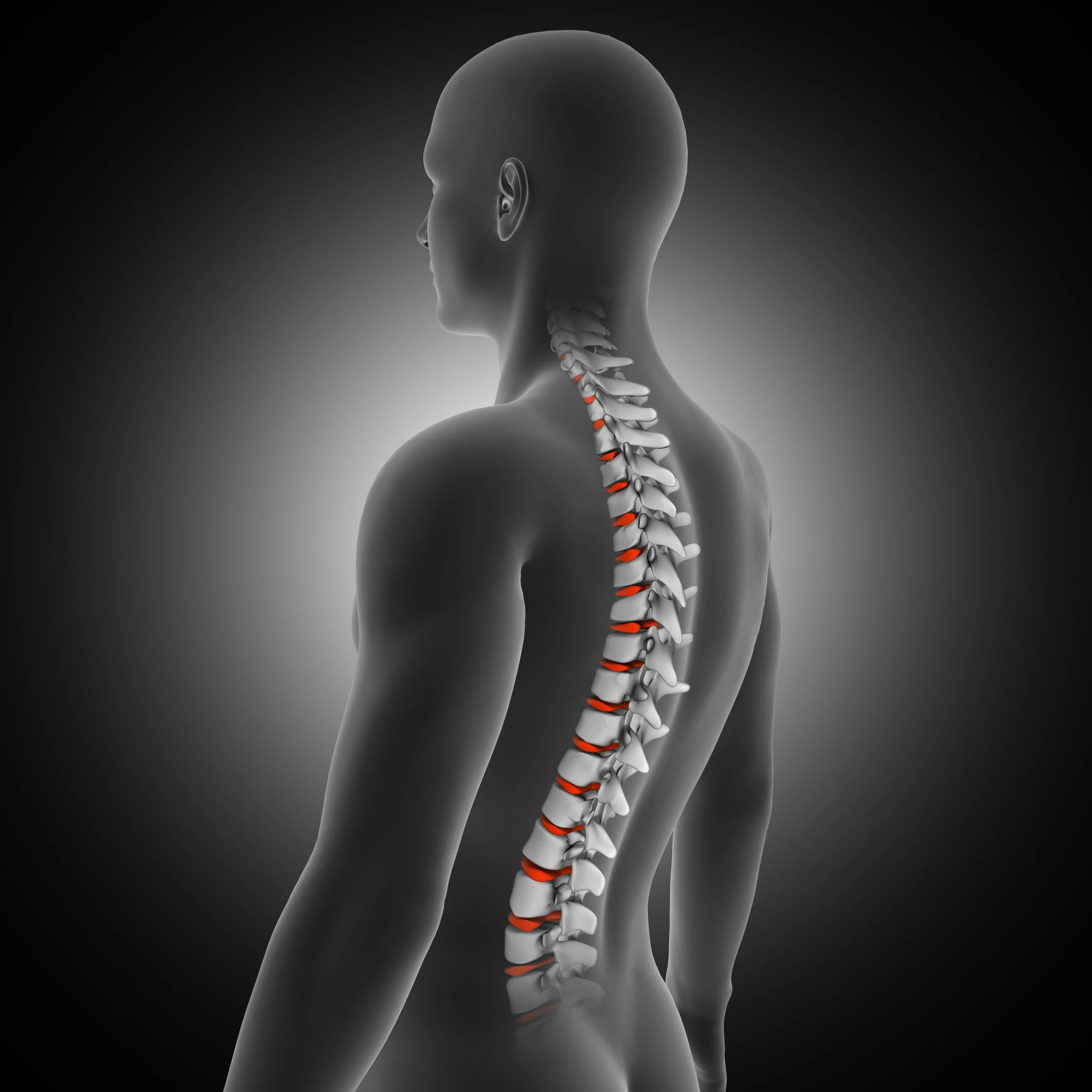
Between each vertebra in your spine sits a cushioning disc with a tough outer ring and a softer, gel-like center. When the outer ring weakens or tears, part of the inner material can push outward. This is called a herniated, bulging or “slipped” disc. The displaced material can press on or irritate nearby nerves, which causes pain, numbness or weakness. A herniation can happen anywhere in the spine, but it is most common in the lower back and the neck. Over time, discs that are already wearing down from degenerative disc disease are more likely to herniate.
Symptoms of Disc Herniations
Symptoms depend on which disc is affected and which nerve it irritates. Common signs include:
- Pain that radiates down the leg, often called sciatica, or down the arm
- Numbness, tingling or a “pins and needles” feeling in the arm, hand, leg or foot
- Muscle weakness that makes it hard to grip, lift or walk normally
- Pain that worsens with sitting, bending, coughing or sneezing
- Localized low back pain or neck pain and stiffness
When a compressed nerve root causes symptoms along its path, the condition is known as radiculopathy. If you suddenly lose bladder or bowel control, or develop numbness in the groin or inner thighs, seek emergency medical care right away. These symptoms can signal a serious condition that needs immediate attention.
Common Causes of Disc Herniations
- Poor mechanics: Bending and lifting the wrong way again and again
- Injury: A sudden strain, fall or trauma to the spine
- Genetics: A family history of herniated discs
- Obesity: Excess body weight puts extra stress on the spinal discs
- Age-related wear: Discs lose water and flexibility over time
- Prolonged sitting and poor posture: Long hours at a desk or behind the wheel load the lower back
How We Treat Herniated Discs
Your care starts with a thorough consultation and exam. We look at your posture, range of motion, reflexes and nerve function to understand where the disc problem is and how it is affecting you. You can learn what to expect on your first visit before you arrive. From there, our chiropractors build a plan that may include:
- Spinal decompression to gently stretch the spine, reduce pressure inside the disc and encourage the movement of water, oxygen and nutrients back into the area
- Chiropractic adjusting to restore healthy motion to restricted joints and improve spinal alignment around the injured disc
- Rehabilitative exercises to strengthen your core and the muscles that support your spine, which helps protect the disc as it heals
- Guidance on posture, lifting technique and daily habits to reduce strain at home and at work
Disc-related nerve irritation can sometimes overlap with other conditions, such as neuropathy or spondylolisthesis. Part of our job is sorting out which problem is driving your symptoms so your care targets the true source. You can explore the full range of conditions we treat to see how our approach applies to other spine and joint problems.

Why Patients Choose a Nonsurgical Approach
Many people with a herniated disc improve with conservative care. They avoid the downtime and risks of surgery and do not have to rely on pain medication. Our goal is to calm the irritated nerve, restore normal spinal motion and rebuild the strength that keeps your discs healthy. We track your progress at each visit and adjust your plan as you improve. Before you start, our team will walk you through your payment, insurance and financing options so there are no surprises. You can also read what other patients say in our testimonials.
Herniated Disc FAQs
Can a chiropractor help a herniated disc?
Yes. Chiropractic care can ease the pain and nerve irritation caused by a herniated disc for many patients. Spinal decompression, gentle adjustments and rehabilitative exercises reduce pressure on the disc, improve spinal motion and strengthen the muscles that support your spine.
What is the difference between a bulging disc and a herniated disc?
A bulging disc extends outward evenly around its edge, while a herniated disc has a tear in its outer layer that lets some of the inner material push out. Both can irritate nerves, and both are often managed with similar nonsurgical care.
How does spinal decompression help disc herniations?
Spinal decompression gently and gradually stretches the spine. This creates negative pressure inside the disc, which can help draw the bulging material inward and improve the flow of nutrients that support healing.
How long does it take for a herniated disc to feel better?
Recovery time varies with the size and location of the herniation, how long you have had symptoms and your overall health. Many patients notice improvement within a few weeks of consistent care, and we review your progress regularly.
Do I need an MRI before starting treatment?
Not always. We start with a thorough exam to assess your nerve function, reflexes and range of motion. If your findings suggest imaging would help guide your care, we will discuss that with you.
When is a herniated disc an emergency?
Seek emergency care right away if you lose bladder or bowel control, have numbness in the groin or inner thighs, or develop rapidly worsening leg weakness. These signs can point to severe nerve compression that needs immediate medical attention.
How can I prevent another disc herniation?
Strengthening your core, lifting with your legs, keeping a healthy weight, taking breaks from long periods of sitting and keeping good posture all reduce stress on your discs. Our rehabilitative exercise program is designed to support long-term spinal health.
Get Back to Moving Comfortably
Living with herniated disc pain can affect your work, sleep and time with family. Stephenson Chiropractic Center offers gentle, nonsurgical care for patients in Bryan, TX and nearby communities. Call (979) 776-2828 or request an appointment online to start your recovery.