
Stabilize a Slipped Vertebra and Get Back to Moving Comfortably
Spondylolisthesis happens when one vertebra slips forward over the bone below it. This shift can press on the spinal nerves and cause pain, numbness and weakness. It is most common in the lower back but can also develop in the neck. At Stephenson Chiropractic Center in Bryan, TX , we use gentle, non-surgical chiropractic care to reduce nerve pressure, improve spinal support and help you stay active.
Request an AppointmentWhat Is Spondylolisthesis?
Your spine is a column of vertebrae stacked on top of one another and held in place by discs, joints, ligaments and muscles. When part of that support system weakens or breaks down, a vertebra can slide forward out of its normal position. The slip is graded by how far the bone has moved. Mild, low-grade slips are the most common and often respond well to conservative care. The lumbar spine, especially the bottom two levels, carries the most load and is where most cases occur. Spondylolisthesis often appears alongside other spinal problems such as degenerative disc disease and disc herniations.
Symptoms of Spondylolisthesis
Some people have a slipped vertebra and feel very little. Others notice symptoms that build over time, including:
- Lower back pain that worsens with standing, walking or bending backward
- Stiffness and reduced range of motion in the back
- Numbness or tingling in the legs
- Tight hamstrings and muscle tightness in the back and hips
- Difficulty walking or standing for long periods
- Pain that radiates into the buttocks or down the leg, similar to sciatica
When the slipped vertebra irritates a nerve root, the result can be radiculopathy, with shooting pain, tingling or weakness along the path of that nerve. In severe cases, spondylolisthesis can lead to loss of bladder or bowel control or dysfunction in the reproductive organs. These symptoms need emergency medical attention right away.
Common Causes of Spondylolisthesis
- Trauma: Injury to the spine from a fall or an auto accident.
- Degenerative Changes: Wear and tear due to poor alignment of the sacrum over long periods of time.
- Stress Fractures: Often due to heavy lifting or high impact in contact sports.
- Pathological Conditions: Such as bone diseases or tumors.
Young athletes in sports like gymnastics and football are prone to stress fractures in the lower spine. Adults over 50 are more likely to develop degenerative slips as discs thin and joints wear down.
How We Evaluate a Slipped Vertebra
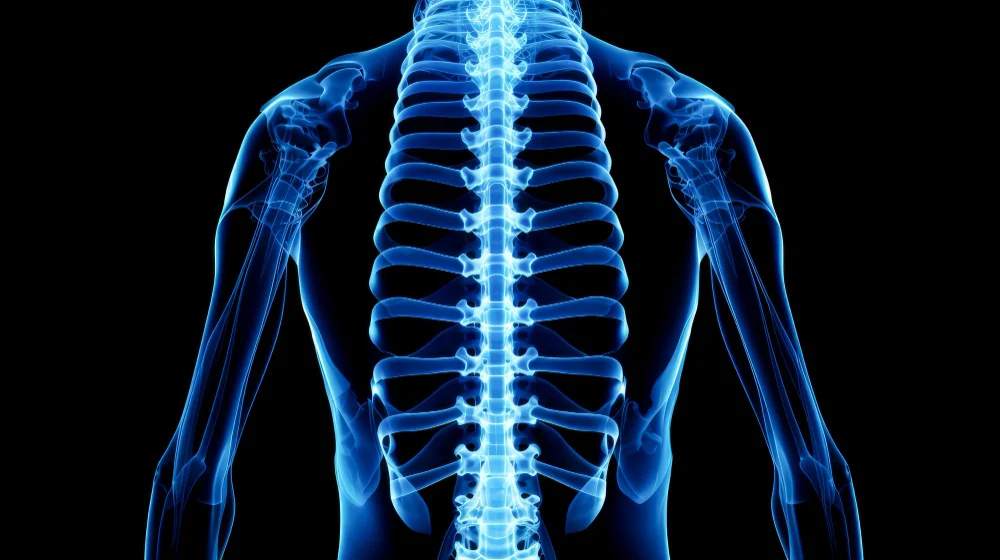
Your care starts with a thorough history and exam. We check your posture, range of motion, reflexes, muscle strength and sensation to see whether nerves are involved. Imaging such as x-rays may be used to confirm the slip and its grade. That information lets us build a plan that fits your spine, your symptoms and your daily activities. If you are new to our office, our first visit page explains what to expect.
Non-Surgical Spondylolisthesis Care at Our Bryan Office
Most people with low-grade spondylolisthesis can manage their symptoms without surgery. Our goal is to calm irritated nerves, support the unstable segment and improve how the whole spine moves. Depending on your exam, your plan may include:
- Chiropractic adjusting: Gentle, targeted adjustments to the joints above and below the slip, the pelvis and the hips to improve alignment and reduce strain. We never use forceful techniques directly on an unstable vertebra.
- Spinal decompression: A controlled, comfortable stretch of the spine that can ease pressure on discs and nerve roots.
- Rehabilitative exercises: Core and hip strengthening that builds a natural brace of muscle around the lower spine, along with stretches for tight hamstrings and hip flexors.
- Posture and activity guidance: Tips for lifting, sitting, sleeping and exercising that reduce stress on the slipped segment.
Because a slipped vertebra changes how load moves through the body, many patients also deal with low back pain, hip pain or leg symptoms. We look at the whole picture so related problem areas are addressed too. When the slip occurs higher in the spine, we also treat associated neck pain.
Why Bryan Patients Choose Us
Our chiropractors take time to explain what is going on in your spine and why each part of your plan matters. We offer early morning appointments, clear treatment plans and a range of payment, insurance and financing options. See our full list of chiropractic services and other conditions we treat, or visit our new patients page to get started.
Spondylolisthesis FAQs
Can a chiropractor help with spondylolisthesis?
Yes. Chiropractic care can help many people with low-grade spondylolisthesis by reducing nerve pressure, improving joint motion above and below the slip and strengthening the muscles that support the spine. We use gentle techniques suited to an unstable segment.
Is chiropractic adjusting safe if my vertebra has slipped?
When done correctly, yes. We avoid forceful adjustments on the slipped vertebra itself and focus on gentle work at the surrounding joints, pelvis and hips. Your exam and any imaging guide which techniques are appropriate for you.
Can spondylolisthesis be reversed without surgery?
Conservative care usually does not move the vertebra fully back into place, but it often reduces pain, improves function and helps prevent the slip from worsening. Many people live active lives with a stable, well-supported low-grade slip.
What exercises help spondylolisthesis?
Core stabilization, glute strengthening and hamstring stretches are often helpful. Movements that arch the lower back heavily can aggravate symptoms. We teach you exercises matched to your grade of slip and your activity level.
Does spinal decompression work for spondylolisthesis?
Spinal decompression can ease pressure on discs and nerve roots, which may relieve leg pain, tingling and back stiffness. Whether it is right for you depends on your exam findings and the stability of the slip.
When should I go to the emergency room for back pain?
Seek emergency care right away if you notice loss of bladder or bowel control, numbness in the groin or inner thighs, or rapidly worsening leg weakness. These can be signs of serious nerve compression.
How long does it take to feel better?
Many patients notice less pain and better mobility within a few weeks of consistent care. Building lasting core strength and stability takes longer, and we adjust your plan as you progress.
Take the Pressure Off Your Spine
You don’t have to keep working around back pain, leg numbness or stiffness. Call Stephenson Chiropractic Center at (979) 776-2828 or request an appointment online to find out how gentle chiropractic care can help your spondylolisthesis.